Chotěšov Region
Region description
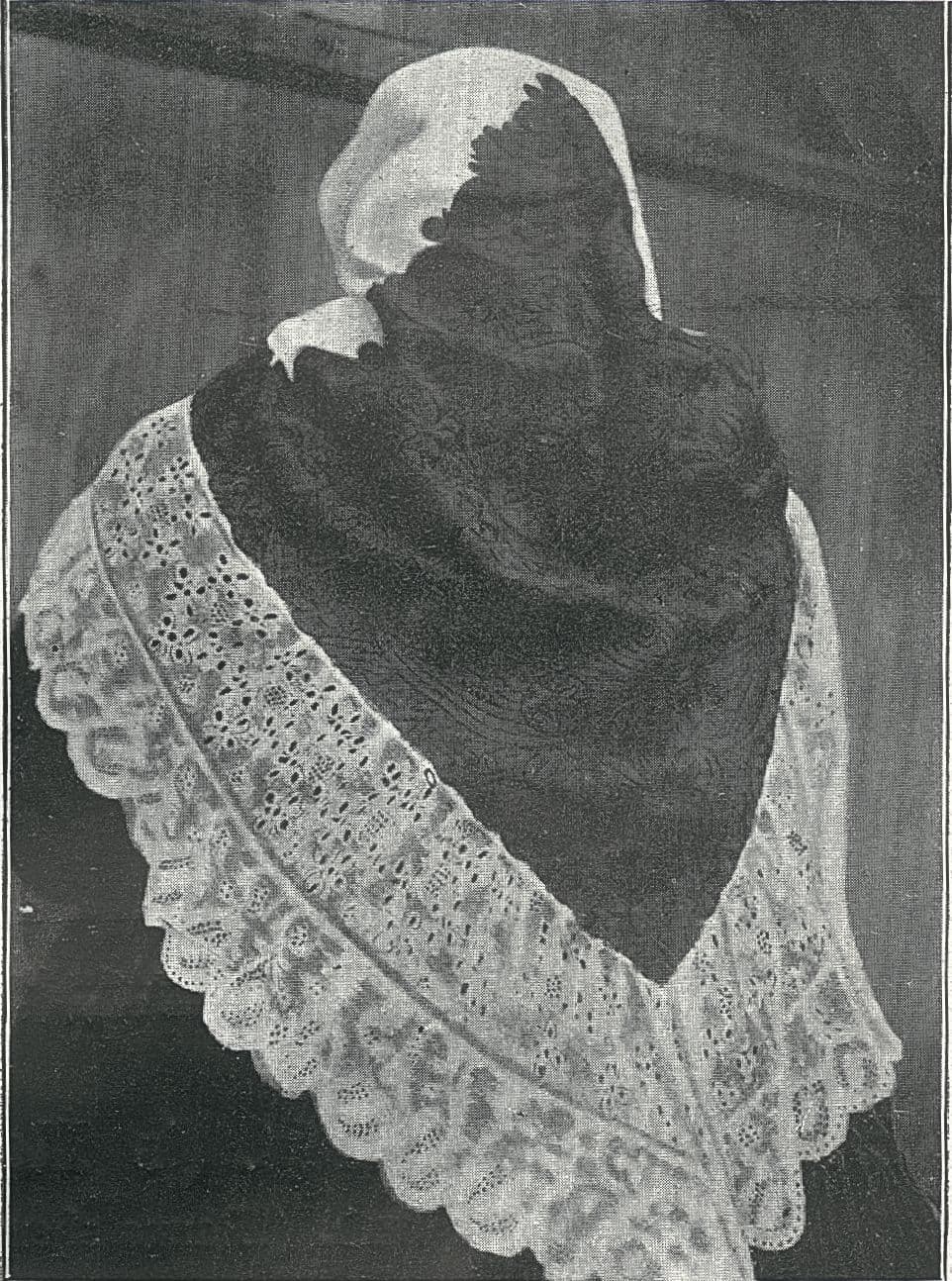
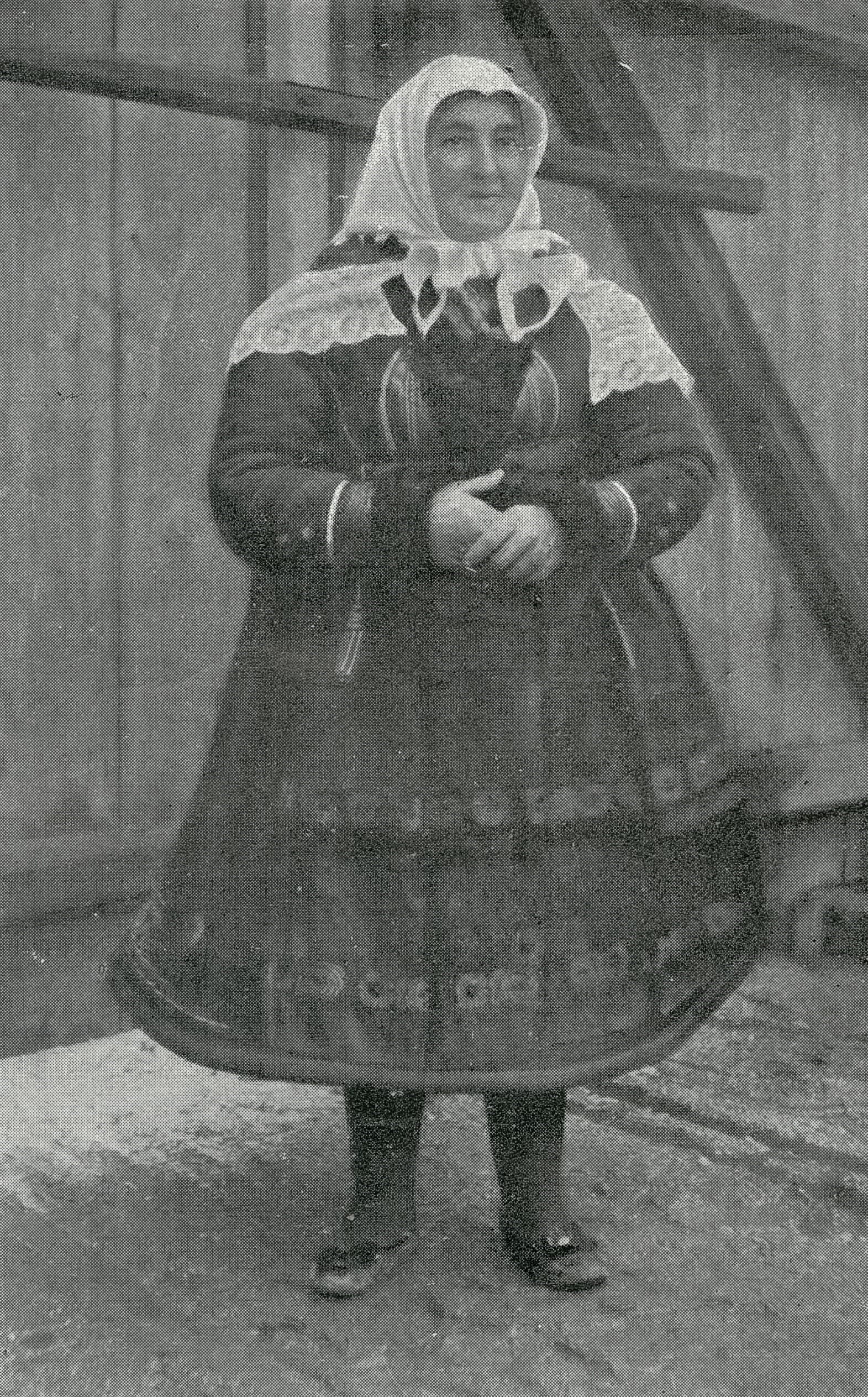
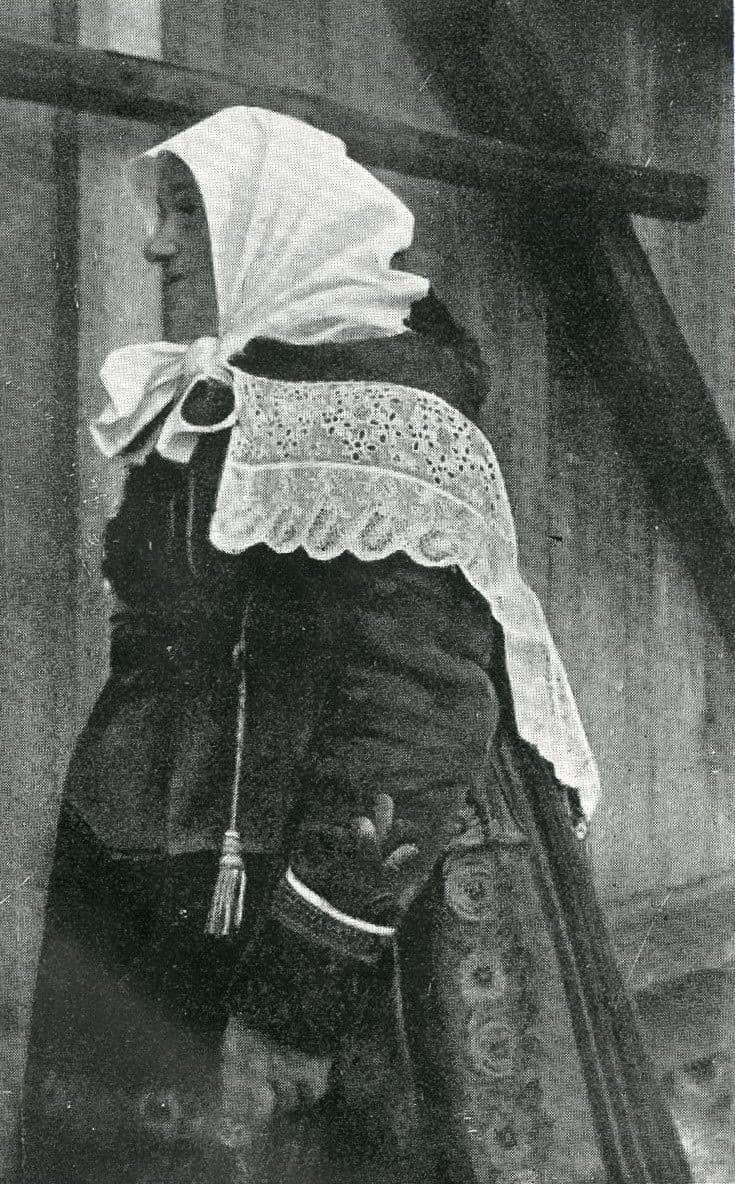
Ceremonial head coverings, known in the Chotěšov region as Grauß kuapftöichl (North Bavarian dialect), survive from the 19th century in two types: embroidered in black and in white.
Black embroidery was usually worked with black silk thread. Married women tied these head cloths over a cap or scarf on various ceremonial occasions, except during mourning, when they placed a white-embroidered cloth on the head.
Region description:
Chotěšovsko was an ethnically mixed area with a predominance of German inhabitants.
The borders of the region itself, excluding transitional areas, can be defined for the first half of the 19th century by the affiliation of municipal units to the Chotěšov estate, and from 1850 by the municipalities of the judicial districts of Stod (Czech Stodo, German Staab), Dobřany (German Dobřan) and Plzeň (German Pilsen). The last of these included a single village, Litice (German Lititz). The natural centre was the town of Chotěšov. Nýřany was another important centre in the area.
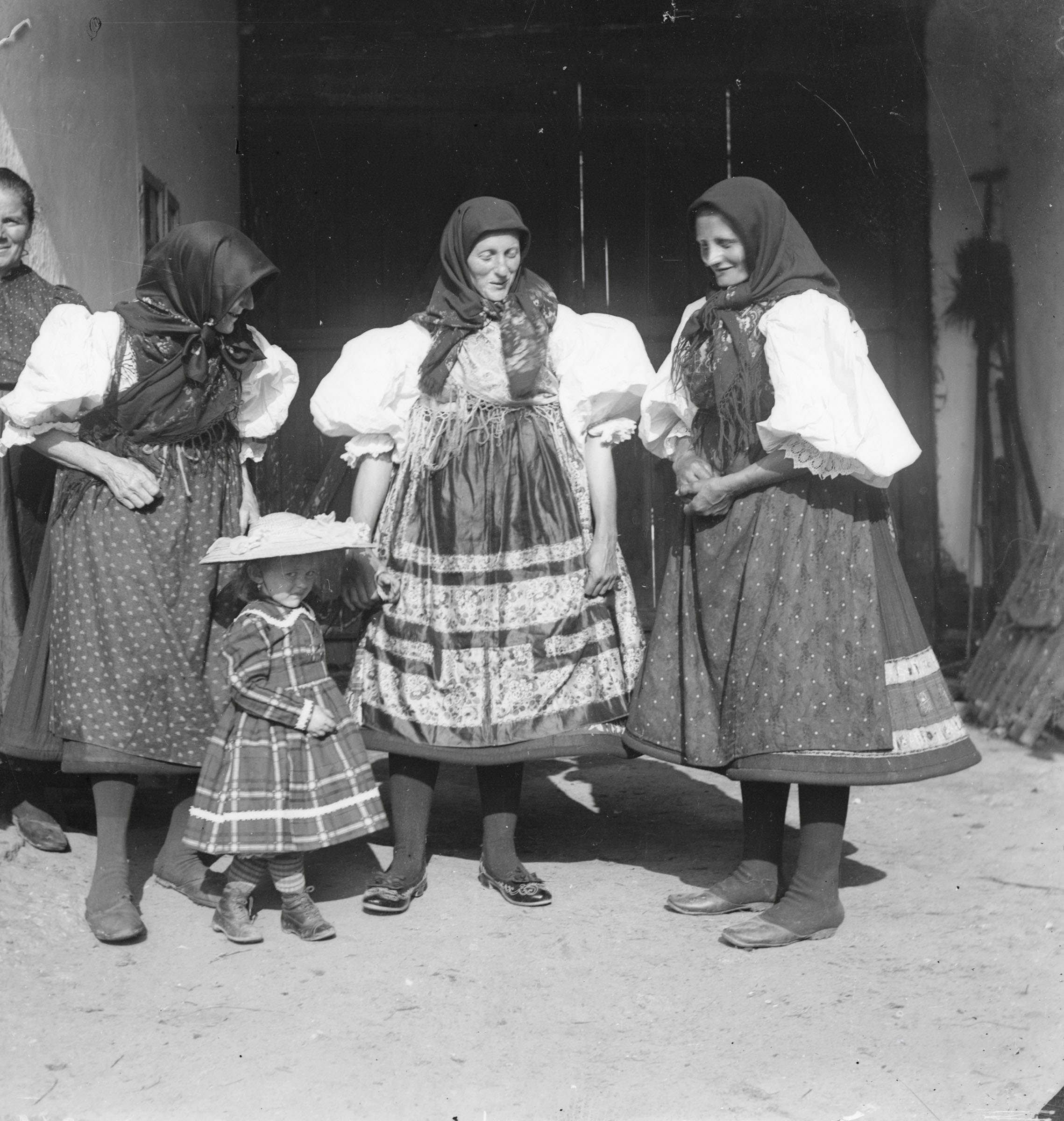
The area in which the Chotěšov type of folk costume was worn was much wider, so it could also be found among Germans in the Kladruby region.